Discovering Kenjiro: A Versatile Typeface for Editorial Design
As I embarked on the redesign of my lifestyle blog, I knew that the right font could make or break the new look. The header, in particular, needed to be striking and inviting, setting the tone for the entire site. After sifting through numerous options, I stumbled upon Kenjiro, a display font that immediately caught my eye with its bold personality and versatile charm.
The Visual Character of Kenjiro
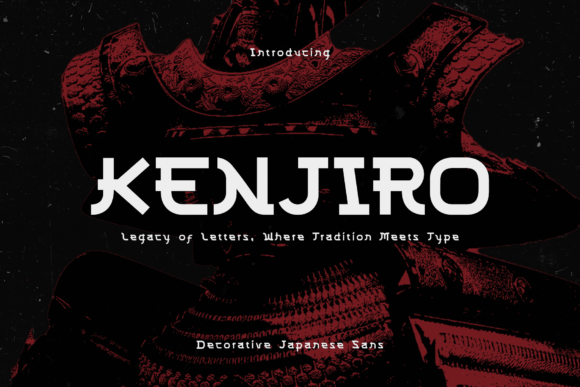
Kenjiro is a modern, premium font that exudes a strong, yet approachable character. Its bold presence makes it perfect for headlines and titles, while its clean lines and balanced rhythm add a touch of sophistication. The typeface has a unique rhythm that draws the reader's attention, making it ideal for creating impactful first impressions.
Editorial Appeal and Practical Use
In the world of editorial design, a font must not only be visually appealing but also functional. Kenjiro excels in this regard, offering a range of styles and weights that can be used creatively across various elements. For my blog, I decided to use Kenjiro for the main header, where its boldness and clarity would set the stage for the content below. It also works beautifully for article titles, providing a consistent and recognizable identity for the blog.
Building a Strong Visual Hierarchy
One of the key aspects of effective editorial design is establishing a clear visual hierarchy. Kenjiro's bold and distinctive style makes it an excellent choice for titles and section headings, helping to guide the reader's eye and create a structured layout. In my blog redesign, I paired Kenjiro with a clean, readable serif font for the body text, ensuring a harmonious balance between form and function.
Readability and Audience Engagement
While Kenjiro is a display font, it maintains a high level of readability, especially when used for shorter text like headlines and pull quotes. For longer reading, such as in a recipe ebook or a coaching workbook, I found that using Kenjiro for chapter openers and section titles, combined with a more traditional serif or sans serif for the body, created a visually engaging and easy-to-read document. This combination not only enhances the overall aesthetic but also keeps the reader engaged throughout the content.
Realistic Examples and Creative Applications
Beyond the blog, I explored other creative uses for Kenjiro. For a wedding guide, I used the font for the cover and major headings, giving the publication a modern and elegant feel. In a digital magazine layout, Kenjiro was perfect for the cover and feature article titles, adding a touch of professionalism and flair. For a newsletter, the font worked well for the header and highlighted sections, making the content stand out in a crowded inbox.
Practical Considerations and Font Pairing
When incorporating Kenjiro into your designs, it's important to consider practical aspects such as file formats, multilingual support, and commercial licensing. Kenjiro comes with a variety of styles, including alternates and ligatures, which can add a unique touch to your projects. For example, using these features in a printable planner or a course PDF can make the design feel more personalized and professional.
For font pairing, I recommend combining Kenjiro with a clean, readable serif font like Georgia or a modern sans serif like Lato. This combination ensures that the body text is legible and the overall design remains cohesive. Whether you're designing a blog header, a magazine cover, or an ebook, this pairing will help maintain a strong and consistent brand identity.
Final Thoughts on Kenjiro
In conclusion, Kenjiro is a versatile and visually appealing display font that can elevate any editorial design project. Its bold and modern character, combined with its readability and practicality, make it a valuable addition to any designer's toolkit. Whether you're working on a lifestyle blog, a recipe ebook, or a digital magazine, Kenjiro offers the flexibility and impact needed to create a memorable and engaging experience for your audience.